
Ariana Chavarria Campos, LCSW
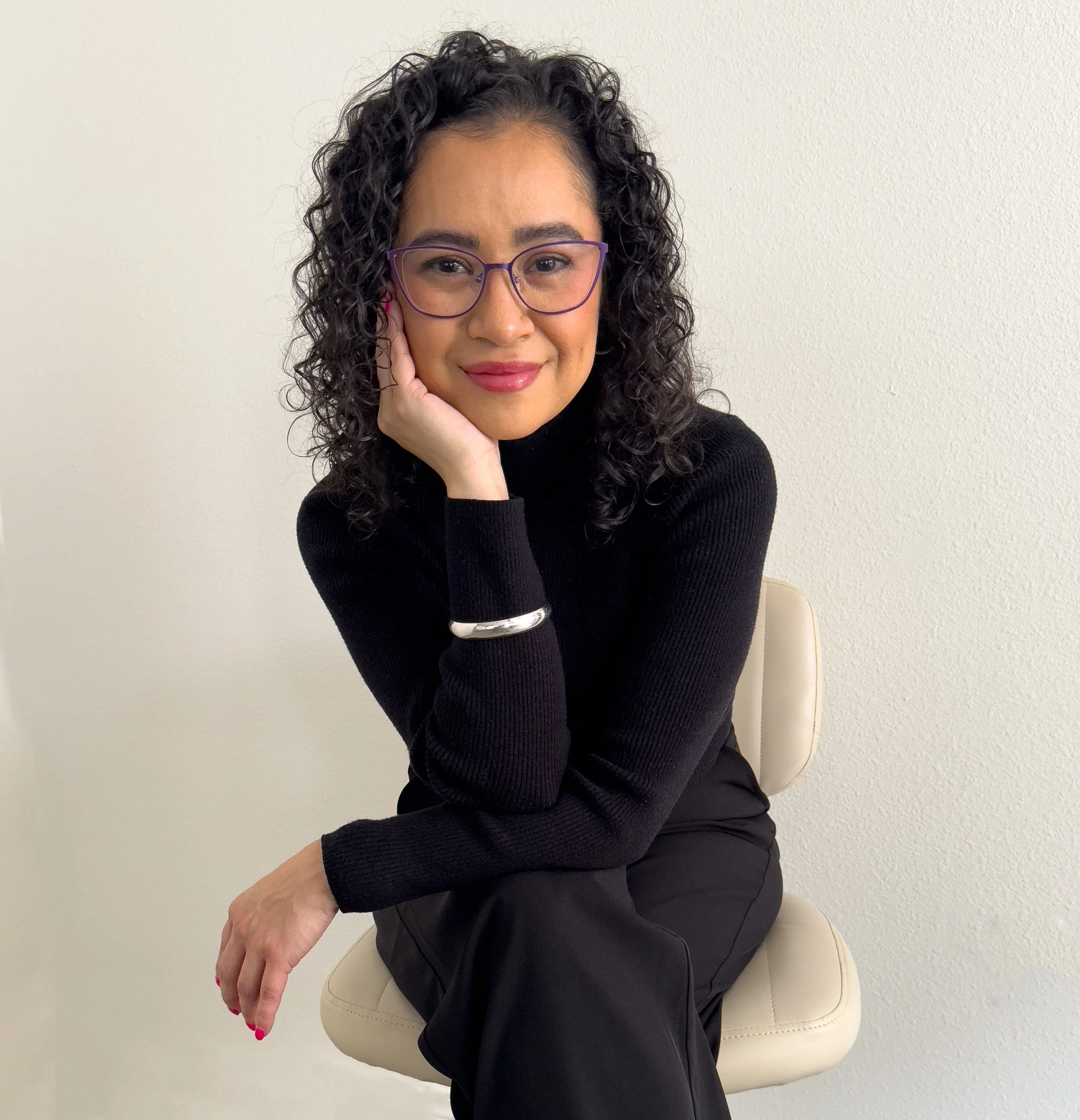
Como trabajadora social clínica con licencia y certificada a nivel nacional en Terapia Cognitivo-Conductual centrada en el trauma, cuento con más de 19 años de experiencia trabajando con niños, familias y comunidades, particularmente con comunidades de color, desde una perspectiva culturalmente sensible y con un enfoque informado sobre el trauma.
Soy hija de padres inmigrantes mexicanos, y mi trayectoria personal y profesional está profundamente ligada a las necesidades y fortalezas de la comunidad latina. Esta experiencia me permite conectar de manera auténtica con profesionales, clientes y colaboradores que enfrentan complejas barreras culturales, lingüísticas y sistémicas.
As a Licensed Clinical Social Worker, nationally certified in Trauma-Focused Cognitive Behavioral Therapy, I bring over 19 years of experience working with children, families, and communities, particularly communities of color, through a culturally rooted, trauma-informed lens.
I am the proud daughter of Mexican immigrant parents, and my personal and professional journeys are deeply intertwined with the needs and strengths of the Latino community. This lived experience allows me to connect authentically with clinicians, clients, and partners navigating complex cultural, linguistic, and systemic barriers.
Premios y
reconocimientos
-
Creo que la sanación ocurre en relación y en comunidad. Mi trabajo está guiado por la humildad cultural, la justicia social y un profundo respeto por las historias, identidades y saberes que cada persona trae consigo. Acompaño a profesionales desde un enfoque colaborativo y reflexivo, reconociendo que el bienestar sostenible se construye cuando hay espacio para la autenticidad, el cuidado mutuo y el crecimiento continuo. En Raíces, honramos la conexión como base para sanar, aprender y sostenernos en este trabajo.
I believe healing happens in relationship and in community. My work is guided by cultural humility, social justice, and deep respect for the stories, identities, and wisdom each person carries. I approach my work with professionals from a collaborative and reflective lens, recognizing that sustainable well-being is built when there is space for authenticity, mutual care, and ongoing growth. At Raíces, we honor connection as the foundation for healing, learning, and sustaining ourselves in this work.
-
Crianza con conexión. Valle Verde, The Next Door, Inc. November 2025.
Latinos and Trauma Informed Care. Presenter. September 2018. Department of Human Services, District 2. Latino Heritage Celebration. Portland, OR.
The Underserved serving the Underserved: The Intersectionality of Identity, oppression and social justice-oriented practice by marginalized practitioners. Guest speaker, panel discussion. June 2018. 2018 Latino Health Equity Conference. Familias en Acción, DoubleTree by Hilton, Portland, OR.Trauma y la salud mental en la niñez. Presenter. 2014 Latino Health Equity Conference, Familias en Acción.
Latinos and Mental Health. Guest speaker, panel discussion. September 2013. Multnomah County, Hispanic Heritage Month Presentations. Portland, OR.
Bullying: Knocking the Bravado Aside. Co-presenter, workshop. May 2011. 2011 and Beyond: Latino Health Equity Conference, Familias en Acción, Portland State University, Portland, OR. -
Bachelor of Science in Psychology, Oregon State University, 2006
Master of Social Work, Portland State University, 2011
Licensed Clinical Social Worker, Oregon Social Workers Board, 2020
TF-CBT Certification, TFCBT National Therapist Certification Program, 2024
-
Como muchas latinas, crecí escuchando: “Estudia para que no trabajes como nosotros.” Los sacrificios de mis padres me impulsaron a buscar educación superior. Como estudiante de primera generación, navegando el sistema casi por mi cuenta, estaba emocionada de entrar al mundo laboral, pero pronto me sentí decepcionada. Recibí poca capacitación y apoyo, y muchas veces la supervisión venía de colegas blancas que aunque bien intencionadas que no comprendían mis luchas culturales o personales. Me asignaban algunos de los casos más complejos y me frustraba ver cómo el racismo sistémico fallaba a las familias que servía.
Esta lucha y perspectiva me han acompañado a lo largo de mi carrera. Me esforcé por aprender, obteniendo la certificación en terapia enfocada en trauma, y desde entonces he adquirido habilidades tanto a través de la educación formal como de experiencias vividas. Estas experiencias me motivan a retribuir a mi comunidad y generar cambios que perduren por generaciones. Creo que gran parte de nuestro trabajo falla porque no incluye activamente a los padres ni aborda prácticas de crianza desde temprana edad, cuando tenemos la mayor oportunidad de romper ciclos de daño. Este es mi porqué.
Like many Latinas, I grew up hearing, “Estudia para que no trabajes como nosotros.” My parents’ sacrifices pushed me to pursue higher education. As a first-generation student navigating the system largely on my own, I was eager to enter the workforce, but quickly found myself disappointed. I had little training or support, often receiving supervision from well-meaning white women who didn’t understand my cultural or personal struggles. I was assigned some of the most complex cases and felt frustrated watching systemic racism fail the families I served.
This struggle and perspective have followed me throughout my career. I pushed myself to learn, earning certification in trauma-focused therapy, and have since gained skills through both formal education and lived experience. These experiences drive my desire to give back to my community and create changes that will last generations. I believe much of our work falls short by not actively including parents or addressing parenting practices early, when we have the greatest opportunity to break cycles of harm. This is my why.